

 support@petexpertise.com
Top Products
4 Simple Steps Anyone Can Use to Stop Their Dog from Pulling on a Leash
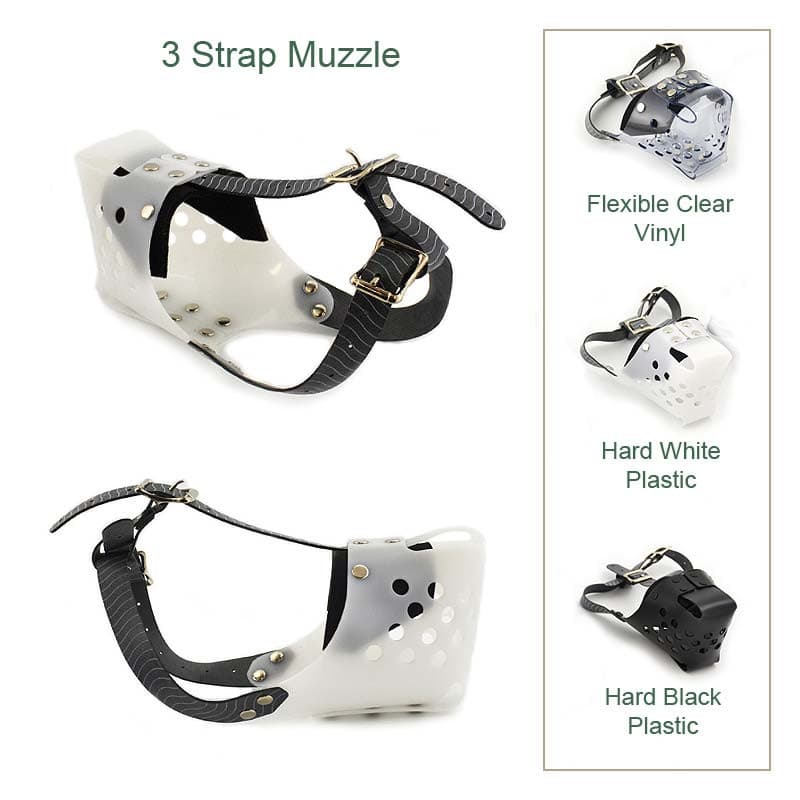
JAFCO Comfortable Dog Muzzles, Hard Plastic & Soft Flexible Versions
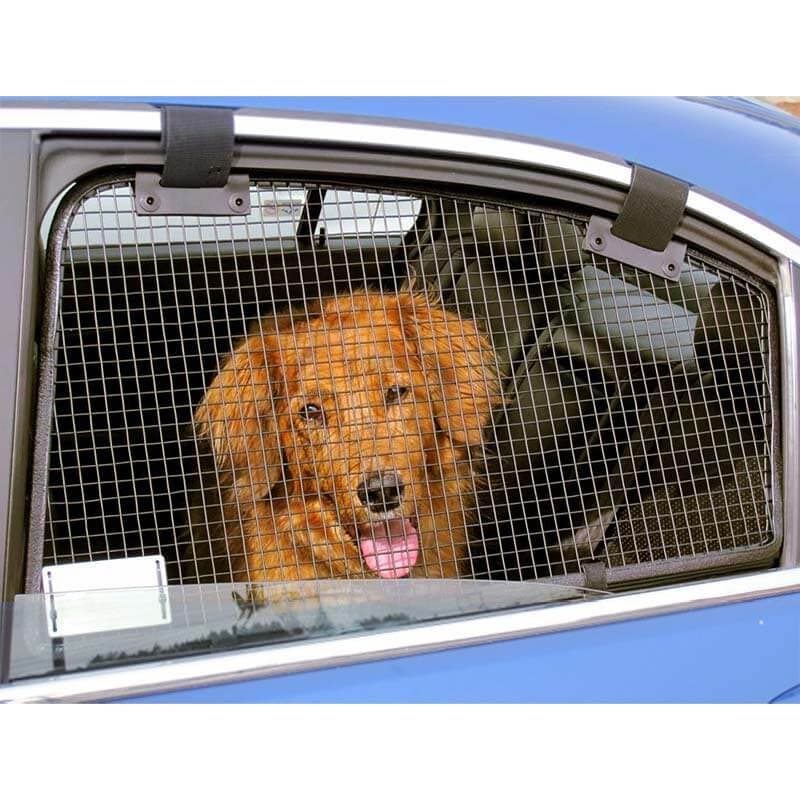
BreezeGuard Metal Car Window Guard Screens
Want 10% OFF Your First Order?
Let us email you a COUPON CODE right away. Valid for any purchase, today!
Think Like a Dog Trainer Series. Part 5: Your Dog + Your Visitors
By Jess Rollins
Copyright Info
Here is part 5 of a multi-part article designed to alert you to the many of the potential pitfalls of living with an untrained dog in your home and how to best cope with them. In each description of a potential problem, I will outline how you can prevent it, how to teach good behavior, and what to do as an immediate response if you find yourself in a situation where you need to quickly stop him from misbehaving. Ideally, you will proactively prevent your dog's misbehavior and hence will not have many "Ack, STOP that!" moments. Using the "immediate responses" below more than a time or two each day could set back your training efforts with your dog and prevent him from learning how to behave politely. Therefore, if you find yourself relying on them too heavily, simply increase the prevention you are doing and make sure that your rewards for good behavior are truly rewarding to him. The immediate responses below are designed to interrupt your dog without either rewarding his misbehavior or frightening him.
Part 5 - Visitors + Your Dog = Chaos? Here's How to Bring Peace to Visitations!
Visitors Arriving: Guests will probably be a cause for excitement for your dog either because he is happy to see them or because he is anxious about them (or perhaps both!). You may also be distracted and not able to supervise him as well in these situations so consider using a tether, gate, or crate.
Be alert for the following when guests arrive:
-
Your dog e scaping out of the door
- Prevent: Be careful to keep doors closed. Using a self-closing screen door in addition to your regular door can help. Have him wear a drag-line so that you can grab him just in case he starts to bolt for the door. The drag-line is only appropriate for use while you are supervising him to make sure he does not get tangled. Make sure that he wears an ID at all times in case he does escape.
- Immediate response: GET-THAT-DOG! (see key below for explanation of all-cap terms)
- Train: DOOR-MANNERS
-
Your dog jumping up on someone entering the home
- Prevent: Use a drag-line or leash to keep him from jumping or put him in his crate until he has calmed down a bit.
- Immediate response: Ask the person to ignore him if he jumps or "“ better yet - to instantly turn around and go back out of the door. Give him attention when he has all four paws on the ground. If the person entering is not comfortable with dogs, you can use the leash to move your dog away if he jumps up and then reward him when he is calm.
- Train: 4-ON-FLOOR
-
If your dog is worried about the visitor and he may bark, act aggressively or shy away
- Prevent: Put your dog in his crate with a yummy chew. Never force interaction or allow anyone to force your dog to greet him or her. If your dog feels cornered, he may choose to bite in order to "defend himself". Advise your visitor to ignore your dog.
- Immediate response: Take your dog to a puppy-proofed area and give him a yummy chew to keep him busy while you interact with your guest.
- Train: Make the association that the visitor means good things (treats!) for your dog. Reward your dog for being social and friendly. Consider contacting a reputable trainer to help you work on this. For more information see our page on aggression and shyness.
-
Your dog may have problems with child visitors
- Prevent: Make sure that you supervise your dog with children at all times and separate them if your dog is becoming stressed or uncomfortable. Check out our article on detecting signs of doggy-stress. If it is not possible to watch them constantly, take your dog to a puppy-proofed area and give him a yummy chew to keep him busy while you interact with your guest.
- Immediate response: INTERRUPT then REMOVE-DOG
- Train your dog that being handled by children is an opportunity to stay calm and earn treats. Use baby steps so that your dog is not afraid. Children should not be allowed to grab, pull on, pick up a dog, touch a dog's toys or food bowl, disturb a sleeping dog or enter his crate. Reward your dog for calm behavior.
-
Submissive urination
Your dog may be so excited or worried to see people that he may urinate while greeting someone. Puppies often and grow out of this as they get older.- Prevent: Make sure that he gets plenty of positive exposure to different people. If you suspect your dog may urinate submissively, ask your visitor to ignore him for a few minutes and then to greet your dog very calmly. That will make the greeting less exciting and him less likely to urinate. It might help during clean-up if you put down a towel near the door if that is where he tends to leak.
- Immediate response: Ignore it totally. If you startle him by clapping as is recommended in other sections of this book, you could make him more worried and worsen the problem. You will want to clean up with a pet specific cleaner.
- Train: This is really not a housetraining issue, but more one of confidence and maturity. Training him tricks and rewarding calm behavior may help. For more information check out our submissive urination article.
Key:
|
Instructions: |
|
|
4-ON-FLOOR |
Click for more information on teaching your dog to greet people politely without jumping up. |
|
DOOR-MANNERS |
Train your dog to wait for permission before going through doorways. |
|
GET-THAT-DOG! |
Go and get him if he has escaped. Reward him for coming to you or allowing you to catch him Bonk yourself on the head with a newspaper 3 times while repeating "“ "I will be more careful". |
|
DROP-IT |
Ask him to "drop it". If he does not yet know "drop it", show him a treat to induce him to open his mouth. If he still won't release the item, force his mouth open using the technique described here. Click for instructions on how to train your dog to "drop it". |
|
INTERRUPT |
Say "Hey!" loudly and clap your hands to interrupt what he is doing. Then take a couple of running steps away to entice him to follow you from the area. |
|
LEAVE-IT |
|
|
REMOVE-DOG |
Encourage him to follow you from the area or lead him away by his collar or drag-line. Grabbing his collar may be frightening if he senses your annoyance. Diffuse this by talking in a silly voice as you approach. Then focus on adding more prevention and rewards for good behavior. |
Click for Part 4: Dog + Kids + Other Pets, Oh My!
Click for Part 6: Dog in the Yard


 Contact Us