

 support@petexpertise.com
Top Products
4 Simple Steps Anyone Can Use to Stop Their Dog from Pulling on a Leash
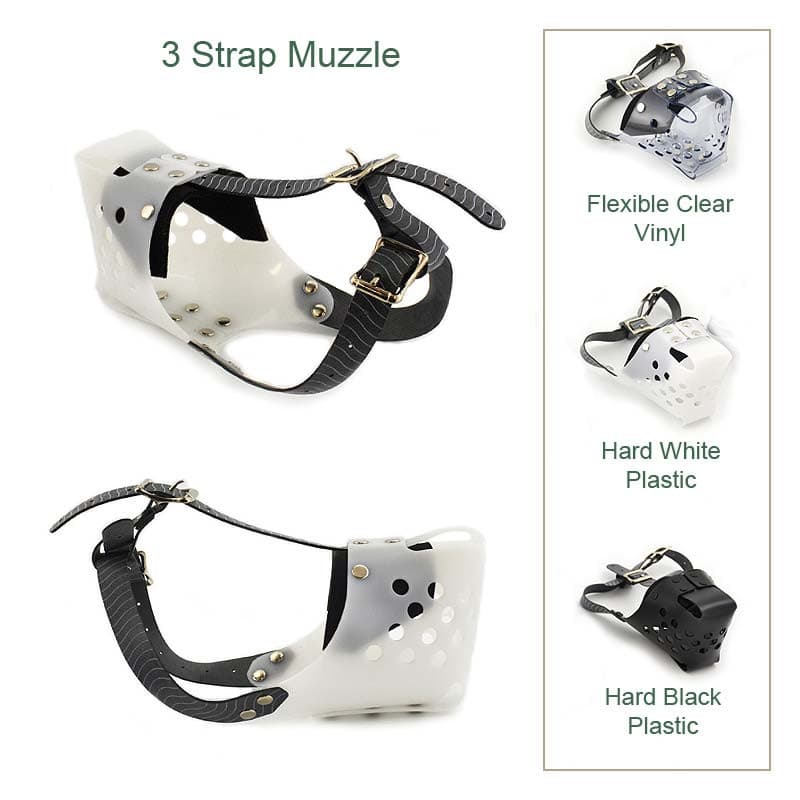
JAFCO Comfortable Dog Muzzles, Hard Plastic & Soft Flexible Versions
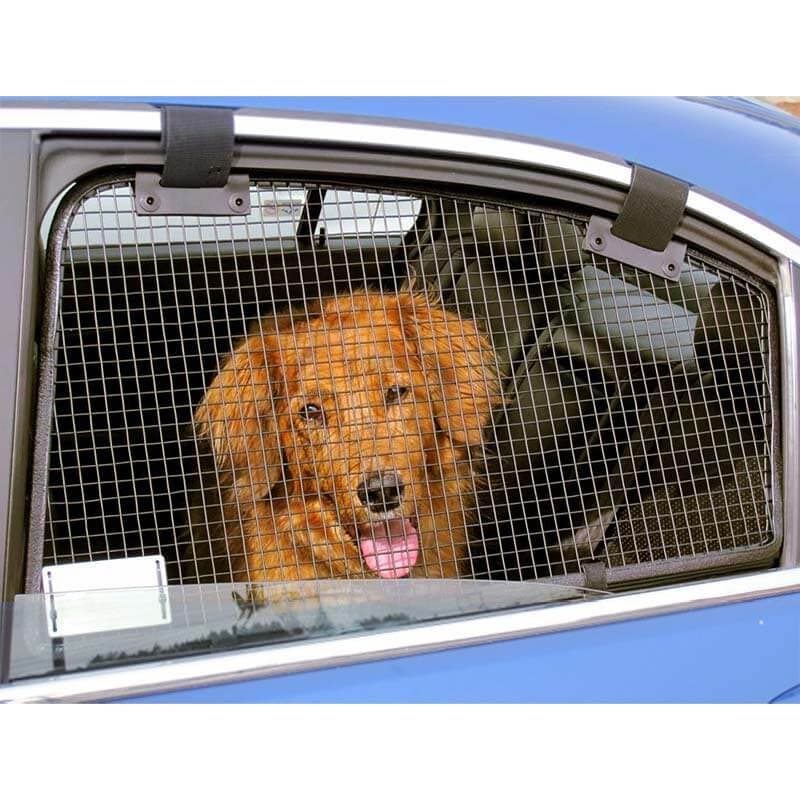
BreezeGuard Metal Car Window Guard Screens
Want 10% OFF Your First Order?
Let us email you a COUPON CODE right away. Valid for any purchase, today!
Using a Crate, Gate or Tether to Prevent Dog Problems & Crate Training Your Dog
By Jess Rollins
Copyright Info
Preventing misbehavior may not teach your dog everything about how you want him to behave, but it is a great place to start because it keeps you sane and keeps him from learning how fun it might be to do naughty things. The following instructions will help you to prevent your dog from destroying your home, becoming fearful or aggressive, barking or hyper behavior and more!
Misbehavior Prevention Tools and Supplies:
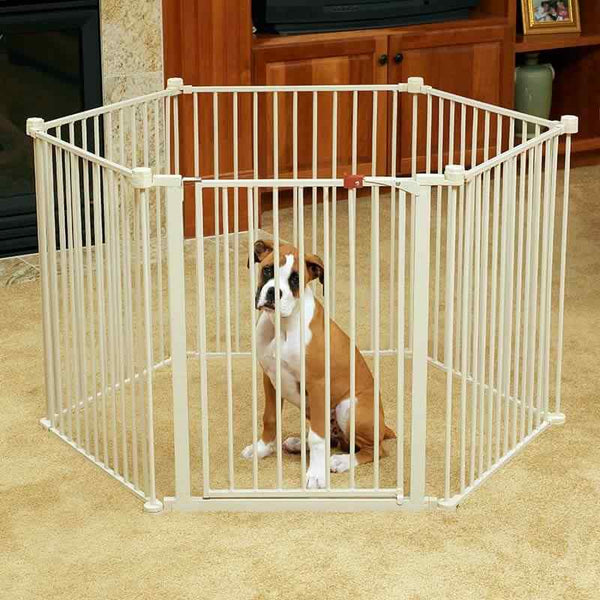
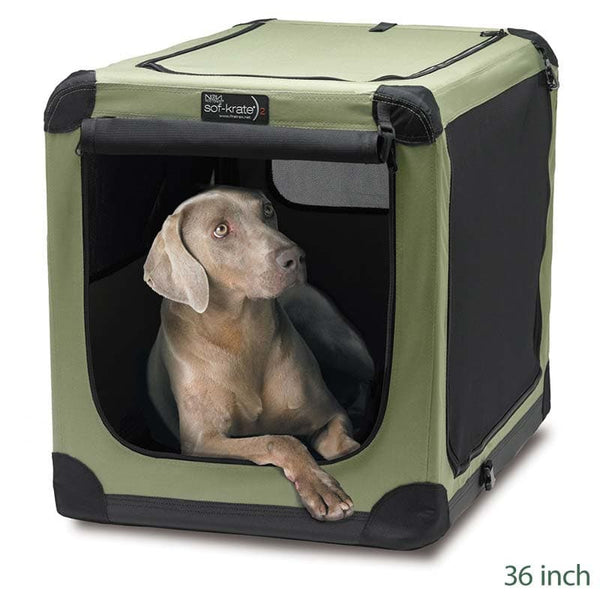
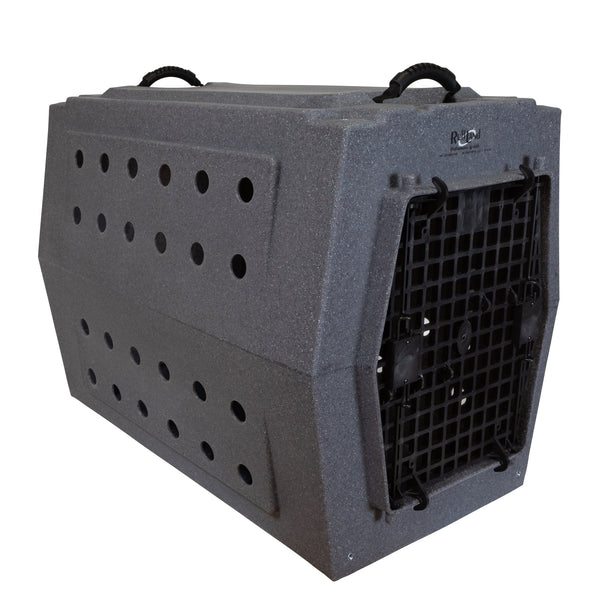
A crate is helpful for working on house training as well as a prevention tool for times when you are not home or are otherwise unavailable to supervise your dog. Keeping him in his crate when you are not able to supervise will prevent many problems and help to keep him safe. His crate should be made of plastic or wire and should be just big enough for your dog to lay down and change position comfortably. Fabric crates are handy for a dog that is already calm in his crate but not durable enough for dogs that are not crate trained or those who like to chew or try to escape. The crate offers your dog a safe place to relax and prevents misbehavior like destructive chewing and house training accidents. The crate will be his haven from a toddling relative who wants to yank his ears or when he needs a bit of privacy to nap. Learning to be comfortable in his crate is also important if your dog ever needs surgery, to go to a groomer, boarding kennel, or to travel. Your dog will most likely enjoy being in his crate if you take a little time to teach him what a nice place it can be and associate it with his favorite things. Following the steps below will help him to learn to go in his crate when asked and relax until you release him.
Crate training:

- Put a blanket inside the crate along with a bunch of yummy treats and close the door leaving the dog outside of the crate. Allow your dog to notice the treats and have a few minutes of longing. Then say "go" (or whatever word you are comfortable with) and open the crate door. When he goes in and finishes those treats, be ready to feed him a few more one by one while he is still in the crate. Repeat this until your dog is excited about the idea of going into the crate.
- This time we will start with a comfy closed crate with no treats inside. Say "go" and open the crate door. After he enters prevent him from exiting the crate by sitting in front of it and then feed him treats in a steady stream. Repeat this a few times until he is going in confidently for his treats and not anxious while inside. If he doesn't go in right away, toss a treat into the crate for him to follow. Continue practicing until you are able to have him go in before he sees the treat (if you need an intermediate step, you can try pretending to toss the treat and then giving it to him once he goes in the crate).
- As before, say "go" and open the crate door. Once he goes in, close the door to the crate. Feed him treats in a steady stream. Once he relaxes and lays down, continue to feed, but space out the treats a few seconds apart. Slow your treats down to about every 10 seconds when he seems especially calm. Let him out of the crate when he is calm.
- Prepare a yummy chew toy (by lining a rubber toy with cream cheese, for example). Say "go" and open the crate door. Once he is in the crate, give him the chewy and close the door. When he is focused on chewing, get up and walk around, occasionally going out of sight. Let him out of the crate before he finishes chewing but only if he is calm.
- Each time you leave your dog in his crate give him a special food-related chew. This will reward him for going in there as well as occupy him while he is in there. Eventually your dog should begin going in his crate by himself when you say "go". Remember to always let him out only when he is calm. Doing so will reinforce that the crate is a place of relaxation.
- If your dog should fuss in the crate, you must ignore it unless he seems truly hurt. Release him only when he is calm, otherwise he may learn to fuss in order to be released. Avoid leaving your dog in his crate for more than four hours (unless overnight). Longer than four hours may lead to him becoming stressed and therefore more likely to bark and resist going into his crate in the future.
Crate Training Tips:
- Leave soothing music on for your dog while he is in the crate.
- Feed him meals in the crate to help him further associate it with good things.
- Feed him a treat whenever you see him go in his crate on his own.
- If he is initially frightened of the crate you will need to take your time with the above steps and give him plenty of opportunity to learn how wonderful his crate is. Avoid forcing your dog into his crate as this will serve to convince him it is a scary place.
Tethers / Tie-Backs: A rope or leash can be secured to your waist or in a small area in order to keep your dog near you and prevent misbehavior. This is not recommended for use without supervision because it is possible he could get the tether tangled around his neck and choke. Reward calm behavior while on the tether by giving a pat or a treat. Ignore any fussing so he doesn't learn to do so in order to get attention.
A Chew Proof tether in use

Drag-lines: A 10 foot long-or-so piece of rope can be attached to his collar or harness to give you a better chance to prevent your dog from jumping up on someone or dashing out of the door (This is not recommended for use without supervision because it is possible he could get the line tangled around his neck and choke.). A drag-line is also useful for administering time outs when needed.
Food and Treats: Why just put all his calories in a bowl to be eaten in seconds? Food can be very useful in managing and training your dog and too valuable to give away for free in two quick meals! A piece of food placed close to his nose will enable you to lure him past a distraction or get him to drop a forbidden item. Giving him a yummy chew will help him decide to chew on that instead of your furniture. Using his daily food to fill puzzle toys and scattering them about for him to "hunt" will help him to stay busy and using up that mental energy will help him to be calm.
Taste Deterrents: A commercially available yucky-tasting solution can be sprayed or wiped on items (or even your hands if you have a nippy pup) to discourage chewing. These are made of safe, non-toxic compounds that if licked will cause no greater harm than a "yuck" face and a need to have a drink of water. Unfortunately some dogs don't mind taste deterrents, and if you are the lucky owner of one of these (Labs!), you could experiment with different brands, or simply focus on using the other prevention tools I've listed.


 Contact Us
Thank you, best article I could find on google.