

 support@petexpertise.com
Top Products
4 Simple Steps Anyone Can Use to Stop Their Dog from Pulling on a Leash
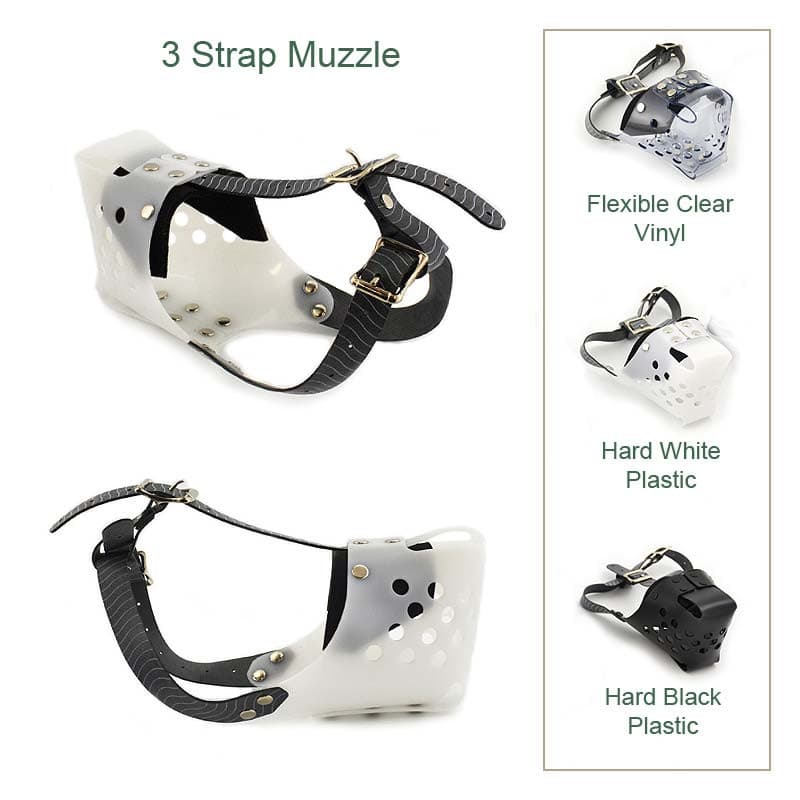
JAFCO Comfortable Dog Muzzles, Hard Plastic & Soft Flexible Versions
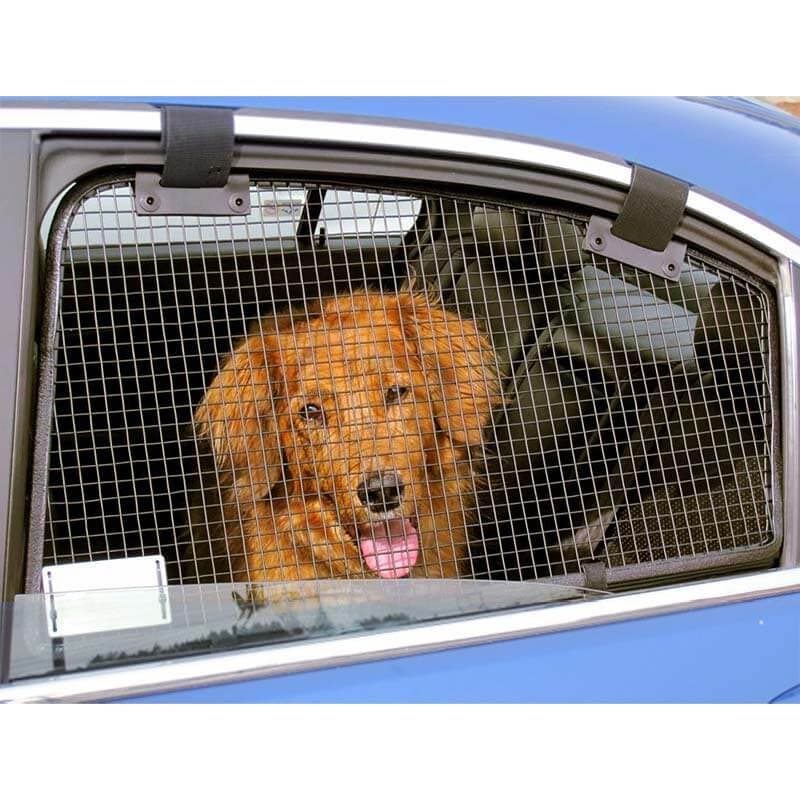
BreezeGuard Metal Car Window Guard Screens
Want 10% OFF Your First Order?
Let us email you a COUPON CODE right away. Valid for any purchase, today!
How to Discipline a Puppy or Dog: Effectively Punishing Your Dog
First, let me tell you what I am calling punishment. What I am calling punishment is something one would do when their dog is misbehaving that the dog does not like. It could be a loud noise, a shock or tightening a choke collar. You will know if the punishment worked because your dog would do the behavior less. Although some punishments are quite gentle (like saying "no"), I am not advocating using punishment to train your dog because of the negative risks of punishment. Punishments are risky because they can cause fear, and fear is a major cause of aggression and shyness.
If you do choose to punish your puppy or dog, you should seriously consider seeking the help of an experienced professional trainer who can coach you on your timing and method. However, I predict that the more you concentrate on preventing your dog's misbehavior and rewarding good behavior, the less you will be need to use punishments.

Using punishment correctly is not simple and mistakes can have serious consequences. I have outlined the some of the requirements for effective use of punishment:
- The punishment should follow the "crime" by less than 5 seconds so that your dog will not be confused about what behavior is being punished.
- The punishment should be just the right severity to reduce the misbehavior in 2-3 applications. If the punishment is too weak, it could make your dog less sensitive to punishments in the future, and if it is too harsh it could traumatize or physically harm your dog. If a punishment is too strong, his resulting fear could lead to a behavior problem.
- Your dog should not be able to tell that a person is punishing him. Otherwise he may learn to misbehave when no one is looking, or he may decide that people are unpleasant or scary to be around. The punishment should appear to come directly from the universe like gravity. A good example is a booby trap.
- Your dog should be taught a new behavior to replace the misbehavior. For example, teach him to "sit" instead of jumping up to get attention. If your dog has no alternate behavior for the one that was punished then he may get confused about what he is supposed to do in that situation. In his confusion, he may choose another misbehavior or become stressed and worried.
- Be aware that if punishment is used for aggressive behaviors it can be very dangerous. For example, if your dog growls at your daughter and you punish him by yelling at him, he may stop growling at your daughter when you are near and the problem may seem solved. However, your dog is likely even less comfortable around your daughter and the risk of a bite without a warning growl is higher.
Some examples of poorly applied punishments and possible consequences:
- "Rubbing your dog's nose in it" - This technique is generally applied too long after a house training accident and so he will not associate the accident with the punishment. It could make your dog afraid of you, or he may learn that he needs to hide from you to poop.
- Yelling at a barking dog - This could increase barking if the cause of the barking is to get attention. It could cause him to fear the person who is yelling or it could convince him that what he was barking at was truly important since his person is "barking" too.
- Jerking the leash when the dog pulls - This is usually not a strong enough punishment to deter pulling for long. Leash jerks can also be damaging to your dog's neck and spine.
- Kneeing a dog that jumps up - This may teach the dog that people are unpleasant or, if he enjoys being rough, he may learn to jump more aggressively.
Training your dog properly using punishments can be risky and difficult! Therefore, we recommend choosing a punishment that has the least likelihood of doing harm such as a hand clap or "time out", preventing misbehavior while you are still training and most importantly, teaching your dog what you want him to do using rewards.
Happy Training! If you found this article helpful, please consider supporting our small business by becoming a customer or sharing our site with a friend. ~Jess
Shop categories


2 comments
 Contact Us
- Choosing a selection results in a full page refresh.
- Press the space key then arrow keys to make a selection.
I found this article very helpful; it maid a lot of sense to someone who really wants his dog to be happy and I’m sure I’ll be just as happy as well
How to make my pet a better dog