

 support@petexpertise.com
Top Products
4 Simple Steps Anyone Can Use to Stop Their Dog from Pulling on a Leash
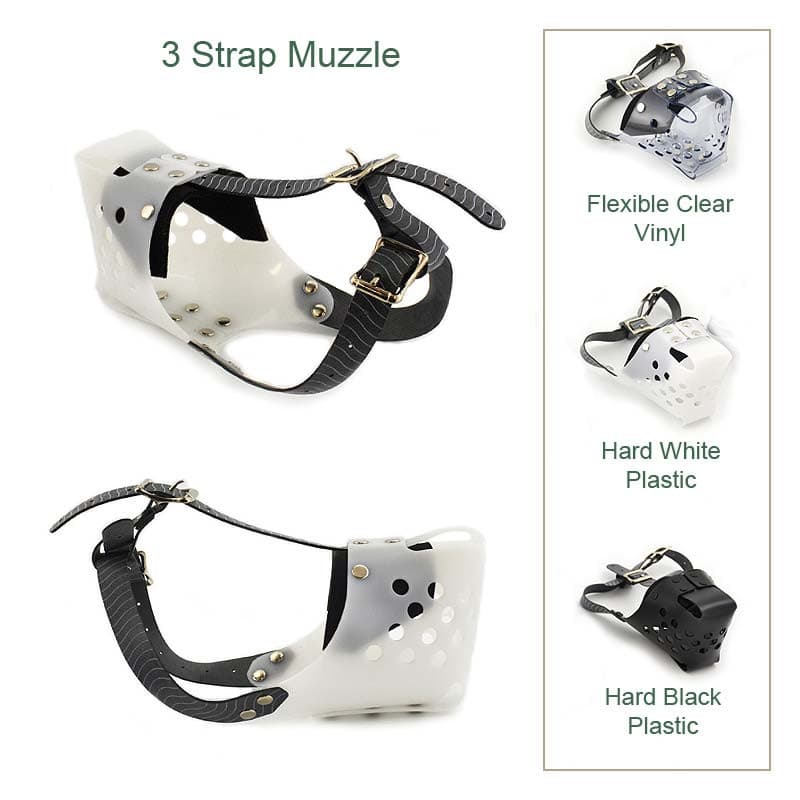
JAFCO Comfortable Dog Muzzles, Hard Plastic & Soft Flexible Versions
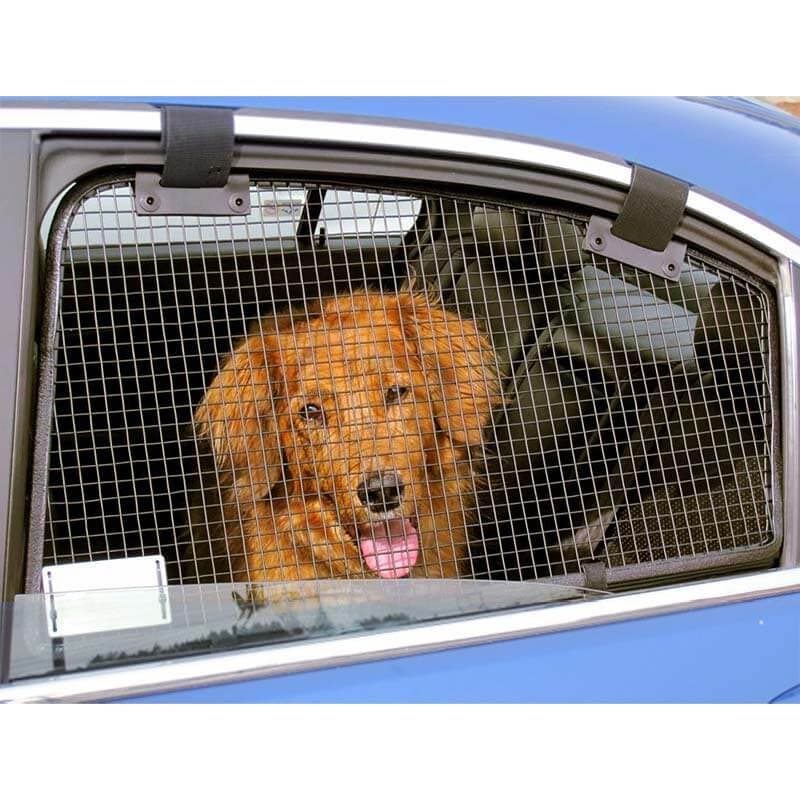
BreezeGuard Metal Car Window Guard Screens
Want 10% OFF Your First Order?
Let us email you a COUPON CODE right away. Valid for any purchase, today!
Leash Training A Puppy or Dog: How to Walk a Dog That Pulls

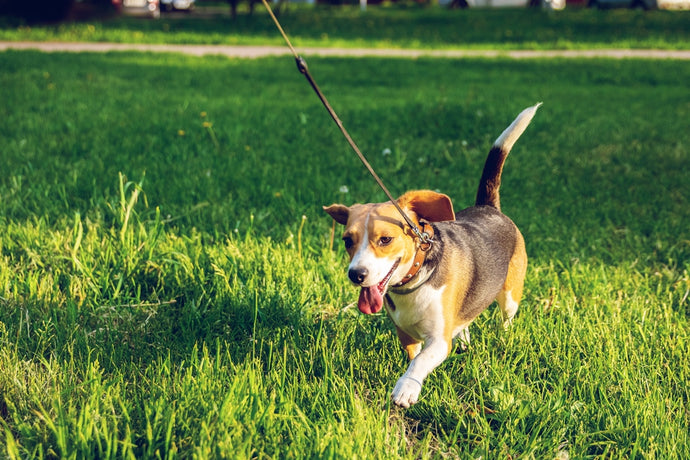

Wondering how to train a dog to walk on a leash so your dog is walking happily by your side, stopping when you stop, turning when you turn, and continuing with you past other dogs and people? He doesn't pull on the leash, and he only goes potty and sniffs when you give permission. Dog leash training is probably the most challenging thing you will probably teach him to do, but leash training a puppy is fun and well worth the effort! Read on to begin to make this vision a reality.
Prior to Leash Training a Puppy
A head collar or front-attachment harness can help to discourage your dog from pulling, but a dog needs leash training to learn to walk beside you without pulling at all. A front-attachment harness is a safe and easy to use no-pull device that is great for all dogs. Choose a head collar for dogs with aggressive tendencies or for those that need the maximum amount of control such as a small owner with a giant-breed dog.

Gigo wearing a Comfort Trainer head collar (left) and an Easy Walk front-attachment harness (right)
The front-attachment harness and head collar should only be used with leashes that are a maximum of 6 feet long. If the leash is too long, it is possible that he could get going fast enough to hurt himself if he were to hit the end of the leash abruptly.

Stop and Reward
A simple method to leash training a puppy without pulling on the leash is to stop moving forward when he pulls, and to reward him with treats when he walks by your side. A treat bag for your waist can be very helpful in the training process. If your dog is not very interested in food treats, then you can give him a tug toy, chew toy, or toss a ball for him in place of feeding a treat.

Dog Leash Training Step by Step
The steps below will go into more detail about how to train a dog to walk on a leash politely.
Step 1: Walking with My Human Is Delicious!- Start leash training a puppy by attaching them to a long rope or leash that is 10-20 feet long (but not retractable) while he is wearing a standard harness. Get some pea-sized pieces of fresh meat or cheese to use to reward your dog and go to a familiar outdoor area like your backyard.
- Decide whether you prefer your dog to walk on your left or right (left is traditional). Whichever side you choose, you will feed him his treat reward right by your thigh on that side. He will soon begin to stay near that side since that is where yummy treats appear!
- Walk briskly and randomly around your yard. Whenever your dog happens to choose to walk beside you, reward him with praise and a treat next to your thigh on your preferred side. If he continues walking next to you, reward him for every step you take together. As he gets better at this you will not need to reward him as often. If your dog is completely uninterested in you, take him inside and then try again later at a time when he is a bit more hungry.
- Practice leash training your puppy until he is staying beside you more often than not.


Gigo walking by my side. Feeding Gigo a treat by my side.
Step 2: It's Worth My While to Watch Where My Human Is Going and Go Along, Too!- Begin this step of leash training a puppy by walking about your yard. Wait for a moment when your dog is walking off on his own or is lagging behind to sniff or go potty. Say "let's go" in an upbeat voice, slap your thigh the first few times to make sure that he notices you, and turn and walk away from your dog.
- When he catches up with you, reward him with praise and by feeding a treat to him next to your preferred side. Then feed him a treat every couple of steps if he continues to stay with you as you walk. If he catches up to you very quickly, give him an extra reward.
- If the leash is tight and he does not come towards you, stop walking and apply gentle leash pressure. The leash pressure is meant to be a reminder of your presence and to make it slightly unpleasant for him to ignore you, but not to force him towards you. Praise him and release the pressure once he begins to come towards you. When he catches up with you, reward him with praise and by feeding a treat to him next to your preferred side. Then feed him a treat every couple of steps if he continues to stay with you as you walk.
- Continue to practice this step of leash training a puppy in your yard until he is staying by your side most of the time and if he veers off away from your side, he comes right back to your side after you say "let's go".

"Let's go", and walking away.
Step 3: I Know When It's Time to Smell (Or to Pee On) the Roses- When leash training a puppy, they need time to sniff and relieve themselves while on the leash, but it will help them to learn better manners if you decide when that will be. As you are practicing how to train a dog to walk on a leash, about every 5 minutes at a time when you would usually give a food reward, instead say something like "go sniff" and let him sniff around or go potty while he is on the leash. This is a privilege or reward, so if he pulls on the leash during this free time say "let's go", and walk in the opposite direction, thereby ending the free time.
- When you are ready to end the free time, say "let's go" and begin walking.

Authorized sniff break!
- Continue practicing dog leash training in your yard as in steps one through three, but by using a shorter leash. Eventually, reduce the leash length to 6 feet.
- Practice walking extra fast or slow as well as stopping and changing directions when leash training a puppy. Reward him if he can stay by your side during these challenges.
- Begin to reward him less frequently for walking by your side in normal circumstances. Continue to reward him for staying by your side when you walk in a different manner than usual (extra fast or slow, stopping or changing directions), or you encounter a distraction like another animal or person.

Taking It to the Street
- On your neighborhood walks when leash training a puppy, you will apply the same techniques as you did in your yard, but now there will be additional distractions and challenges such as friendly strangers, squirrels, and other dogs. Consider using a front-attachment harness or head collar for extra control and bringing fresh meat or cheese for use as treats.
- Say "let's go" and start walking. If he forgets about you or pulls, say "let's go" and turn and walk in the opposite direction. Reward him with treats when he walks beside you. Be sure to reward him with extra treats when it is extra difficult for him to pay attention to you. Don't forget to give permission for sniff breaks when leash training a puppy.

Challenge Your Dog During Leash Training
- While leash training a puppy, outfit your dog in a standard harness attached to a 6-foot leash.
- Hold your dog's leash and toss a ball or treat 20-feet away from you and your leashed dog.
- If he pulls toward the object, say "let's go" and turn and walk in the opposite direction. If he walks beside you while you walk towards the object, allow him to continue towards it until he reaches it and can take it as his reward.
- At first, you might want to use a longer leash or a less desirable object to make this easier for him.
Troubleshooting
- While leash training a puppy, if the dog is crossing in front of you, stomp or shuffle your feet a bit to make your presence more obvious.
- If he is lagging behind a great deal, he could be frightened or not feeling well, so use lots of encouragement instead of pulling him along. If he is lagging to sniff or to potty, simply keep walking, but be sure to apply only gentle pressure on the leash. Don't forget to use lots of rewards when he walks with you.
- If after you've practiced these steps to leash training a puppy and your dog seems to be alternating between walking beside you and pulling, stop rewarding coming back towards you after he pulls. Instead, concentrate on rewarding him for taking a larger number of consecutive steps by your side.

How to Train a Dog to Walk On a Leash and Heel
- Leash training a puppy to heel is useful for short periods when you need him very close to you and attentive to you. It can be very helpful when walking him past distractions like other animals.
- Begin practicing how to train a dog to walk on a leash and heel in your home. Place a treat in your fist and let him sniff it. Say "let's go" and take a couple of steps while leading him along with the treat in your fist near your thigh. Praise and reward him with a treat when he is following your fist with his nose.
- Now, practice having your dog follow your empty fist. Continue to praise and reward him for every couple of steps that he follows your fist.
- Continue practicing heel and increase your standards with each session. Your closed fist will remain as a hand signal for "heel". Try this outside and in more distracting circumstances.
I hope you enjoyed this article on how to train a dog to walk on a leash and that it helps you to have more fun walks with your dog. Explore our leash training aids for dogs, puppy supplies, treats, and other unique dog products!

 Contact Us