

 support@petexpertise.com
Top Products
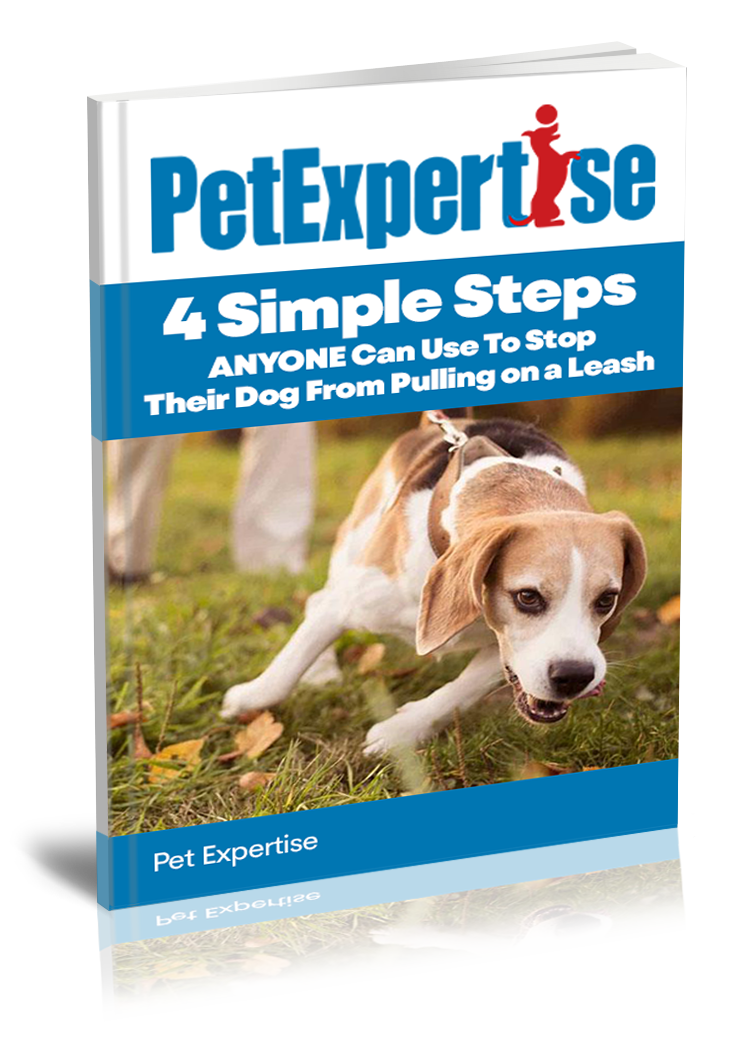
4 Simple Steps Anyone Can Use to Stop Their Dog from Pulling on a Leash
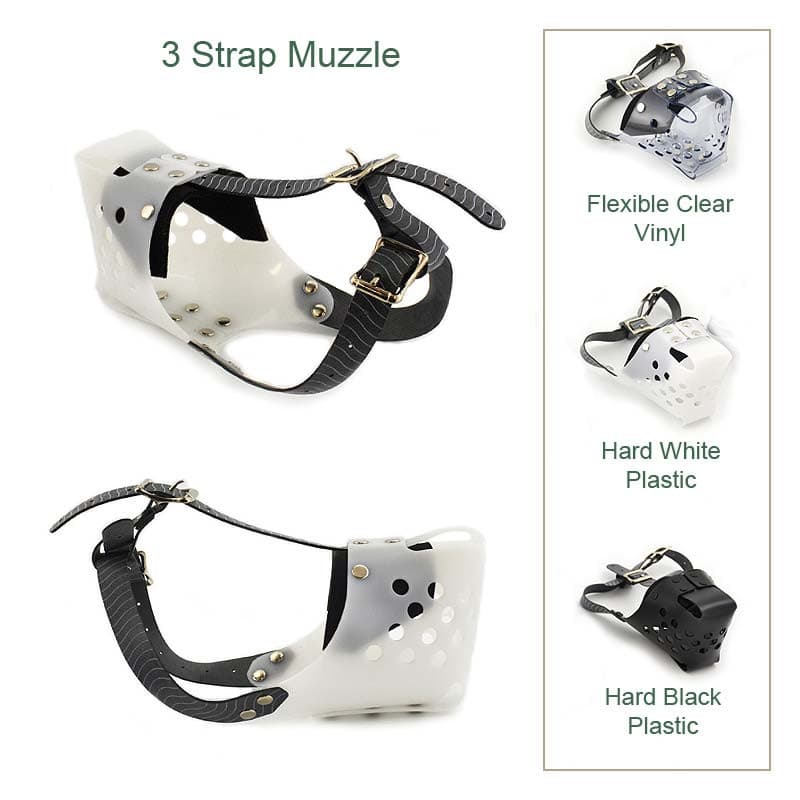
JAFCO Comfortable Dog Muzzles, Hard Plastic & Soft Flexible Versions
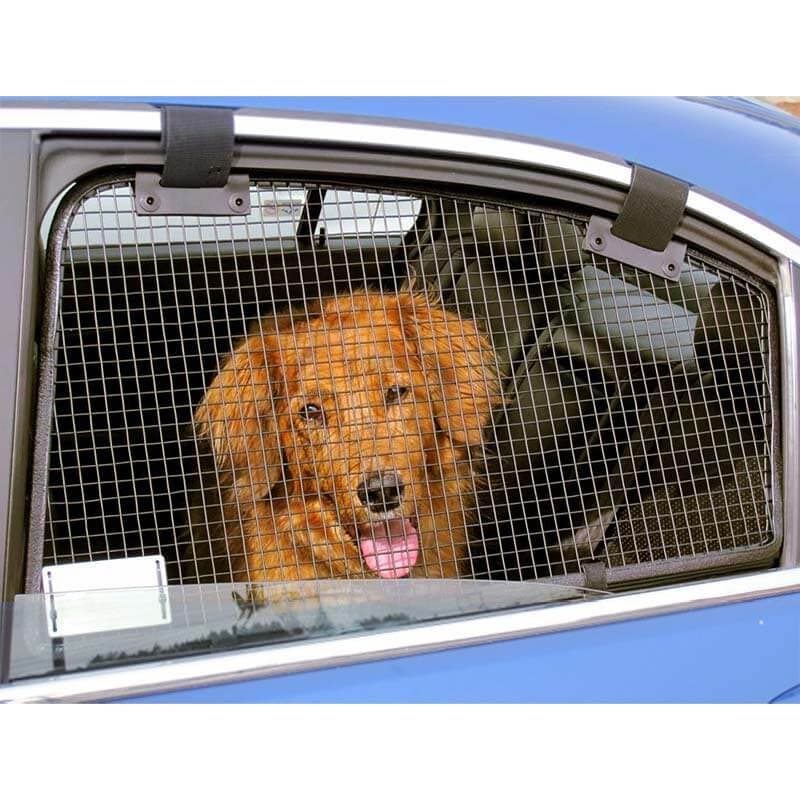
BreezeGuard Metal Car Window Guard Screens
Want 10% OFF Your First Order?
Let us email you a COUPON CODE right away. Valid for any purchase, today!
Helping Your Dog With Separation Anxiety
By Jess Rollins
Copyright Info
Dogs are very social, and when they are alone, they can sometimes become restless and nervous or even panic. Dogs with separation anxiety may destroy things (themselves included), try to escape, bark and/or have housetraining accidents. Your dog does not do these things "to get back at you for leaving", he or she is simply venting nervous energy in the only way he can. For some dogs, being alone for even a few seconds is terrifying.
You will need to teach your dog that it is okay to be alone in small, easy steps. If your dog is so fearful that he is in danger of hurting himself, consider finding a veterinary behaviorist to help you with this problem. Also, we recommend finding a trainer certified to work with Separation Anxiety using the techniques designed by Malena DeMartini.
The most difficult part of this training program is avoiding going past your dog's current comfort level for being left alone during your daily routine. For example, if today your dog is nervous about being alone for more than 5 minutes, try not to leave him for more than 5 minutes. Each time your dog is left longer than he is comfortable, you will be setting your progress back. However, If you must leave your dog for longer than he is ready for, at least do not leave him in the spot you are working on as his long-term safe place for him. Instead, use the original "scary" place or even better, find some way to take him with you or leave him with a friend or at a doggy daycare.
This plan is best accomplished during a vacation, but if that is not possible, you can start on Friday before the weekend.
Training Plan Overview:
- It will speed up the process if you leave him in a spot that he has not been left in before. Place your dog in his new Safe Zone (a crate or pen or gated area), give him a food-stuffed toy and then go just barely out of sight while you chat with him. Set up a webcam or other recording device so that you can monitor his anxiety level.
- Place your dog in his Safe Zone, give him his chewy. When he is calmly chewing, sneak out of the room, get your keys, and exit your home for just a second. Return to the room at the end of a gradually increasing time period.
- When you return, switch off the recorder and calmly enter his area.
- If when you return you see signs of anxiety, cut the time you stay away in half next time. If when you repeat, he's still experiencing separation anxiety, cut your time in half again! Once your dog is no longer anxious, start increasing the times again.
- Gradually build up the time you are able to leave your dog calmly. Leave him with a favorite chew each time.
Tips:
- Practice getting your jacket, keys, etc. at random times throughout the day to teach him that this is no big deal.
- Practice positive training for tricks or obedience to help build his confidence.
- Make sure your dog has 30 min to 1 hour of exercise per day to help him to relax when you are gone.
- Reinforce calm behavior by giving him extra attention when he is relaxed.
- See your veterinarian to rule out underlying medical cause or for additional help. Sometimes medication is needed to help your dog get through this.
- Feed him the healthiest diet that you can afford.
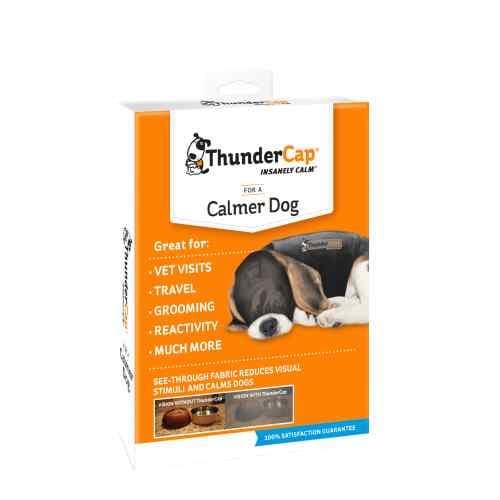
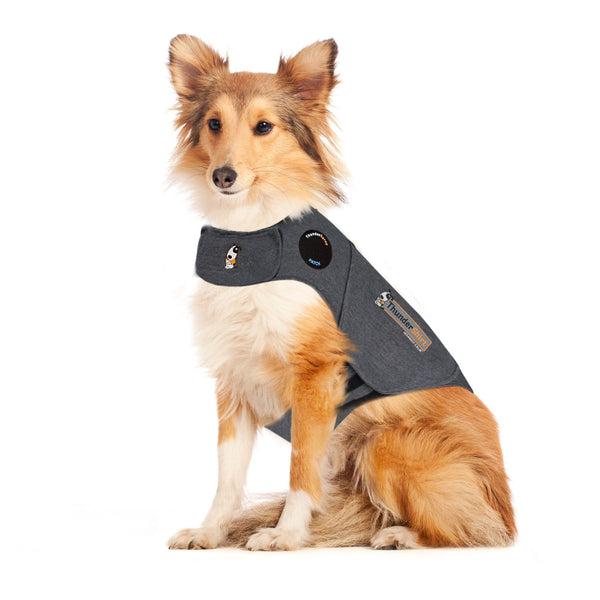
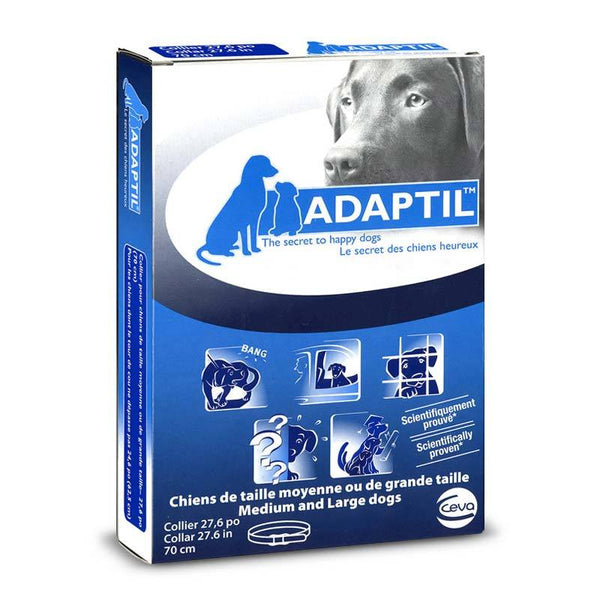
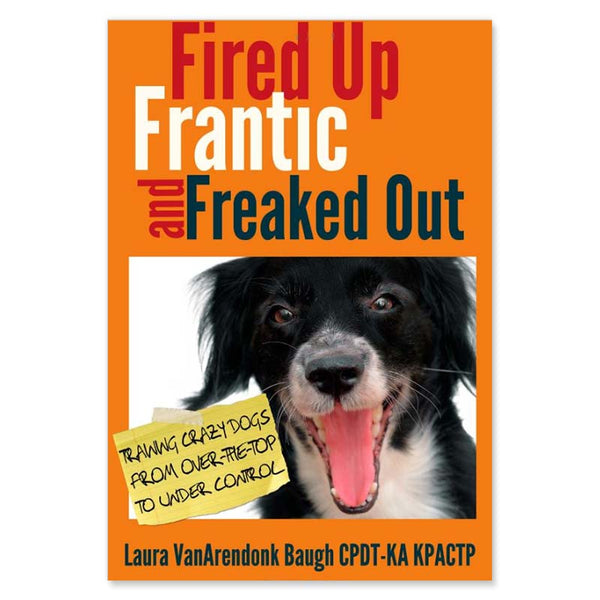
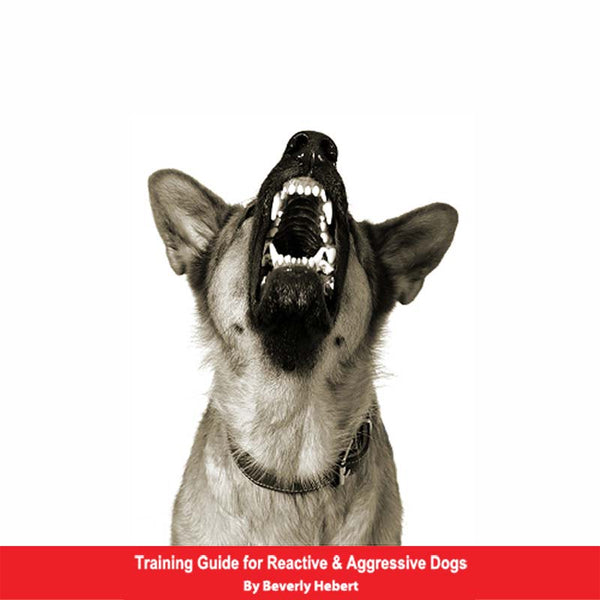
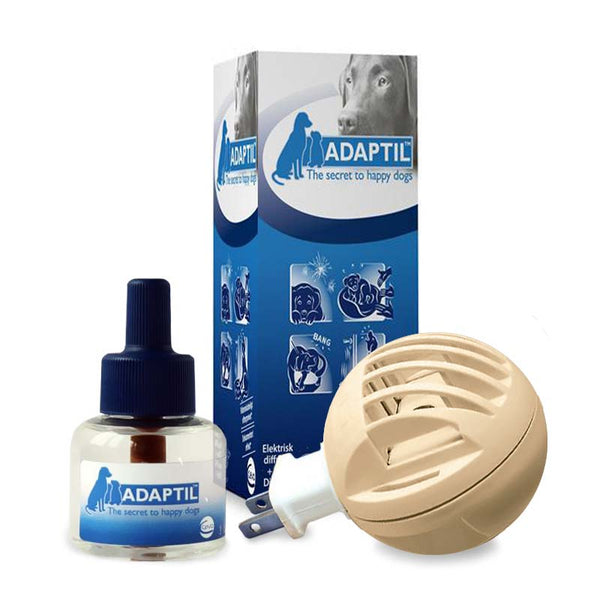
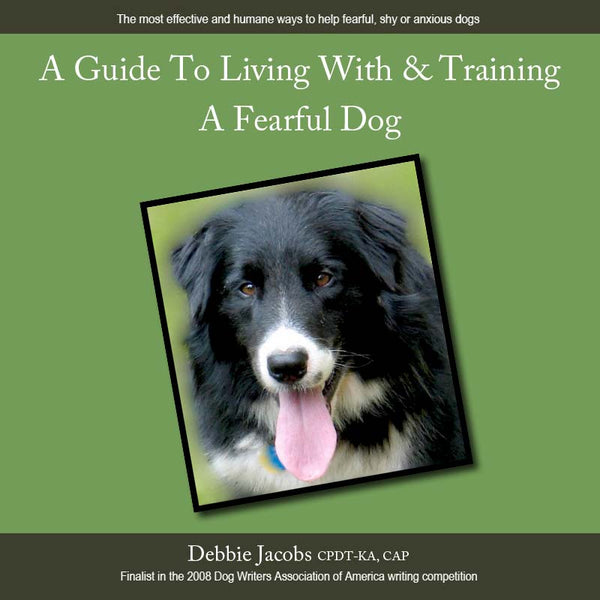
Check out the products we offer to help your anxious dog!
Happy Training!
-Jess




 Contact Us