

 support@petexpertise.com
Top Products
4 Simple Steps Anyone Can Use to Stop Their Dog from Pulling on a Leash
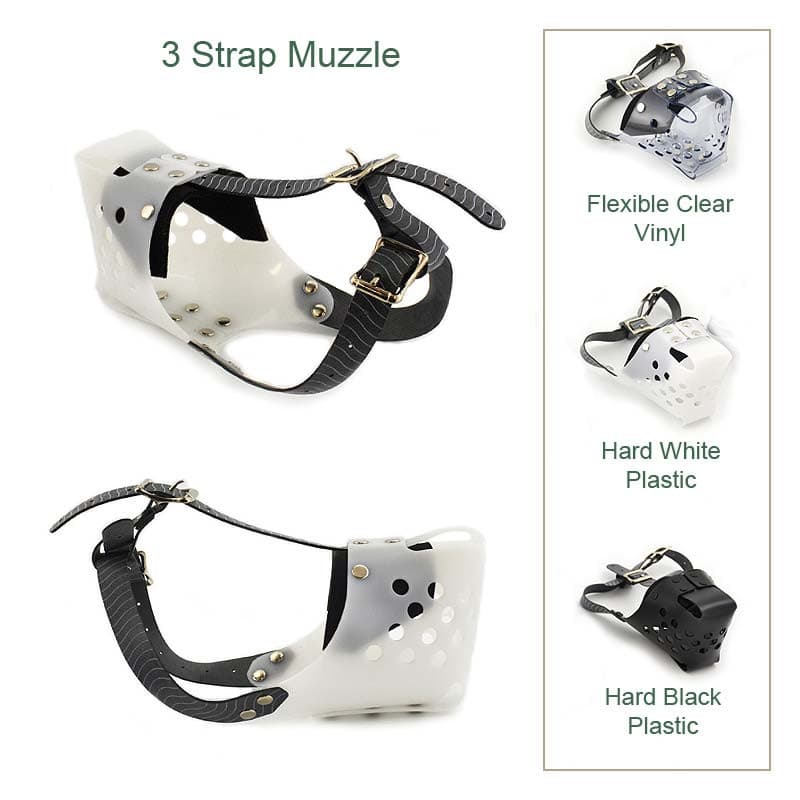
JAFCO Comfortable Dog Muzzles, Hard Plastic & Soft Flexible Versions
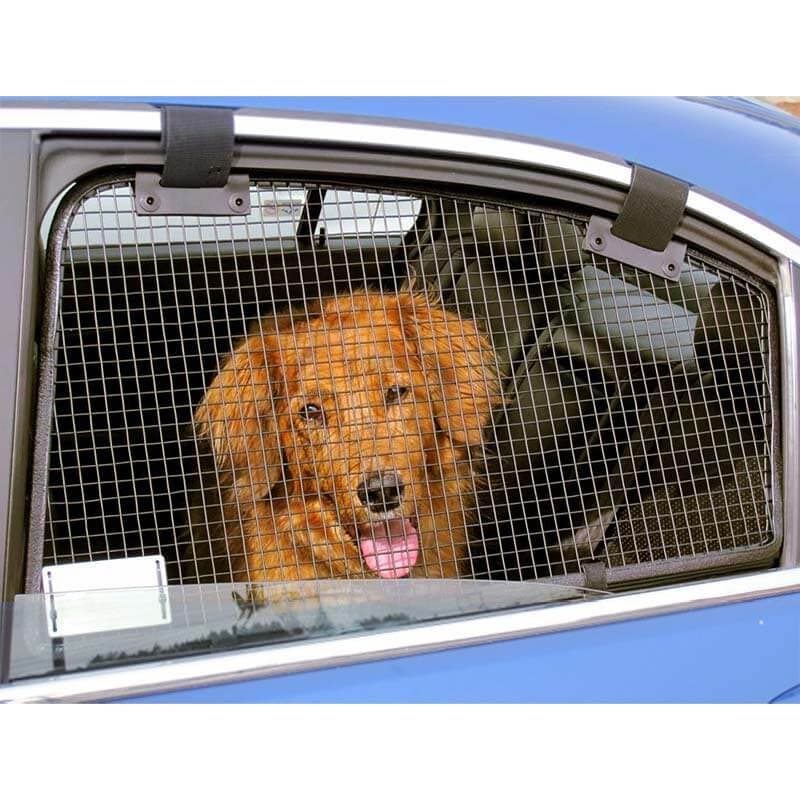
BreezeGuard Metal Car Window Guard Screens
Want 10% OFF Your First Order?
Let us email you a COUPON CODE right away. Valid for any purchase, today!
House Training (Housebreaking) Your Dog or Puppy
By Jess Rollins
Copyright Info
The most important house training rule is to avoid accidents!
To house train a dog we are relying on the fact that dogs are fairly particular about where they "go" and build strong habits. It is very important to prevent accidents, because every time she relieves herself in the house, she is building a preference for this area. Every time your dog potties inside, blame YOURSELF (but please be forgiving)! Until your dog has learned where to go potty, she should be under constant surveillance (with her leash tied to your belt if possible or on your lap), in her crate, or tethered on a comfy mat (tether should be used only under supervision).
The crate should be just big enough for her to stand up, turn around and lay down in. If your dog is having accidents in the crate, make sure it isn't too big and remove absorbent bedding.
When you are inside and she is out of her crate, keep her tethered to your waist and watch her constantly for sniffing or circling. Take her out immediately when you see this behavior.
Set a timer to go off every hour (this time can be increased as you progress) so that you don't forget to take her out before nature calls. If she doesn't relieve herself when you take her out and it's been a few hours, take her back in for 15 minutes (under your closest supervision or crated) and then try bringing her back out again. If she *does* "go", wait until she is completely finished before praising, feeding a treat and having a little play time together.
Stick to a strict schedule:
You should take your dog or puppy out many times during the day, especially after eating, playing or sleeping. Feed 2-3 times per day and leave the food down for about 15 minutes per feeding. Your dog can generally "hold it" for its age in months + 1 hr, but no longer than about 8 hours as an adult. The more often you bring your dog outside in the beginning the better because you will minimize the chances for mistakes and give your dog more opportunities for you to reward her for doing what you want. Water can remain down until about 8:00 at night.
Be consistent and keep it simple:
Until she is reliably housetrained, bring her to the same spot each time, and leave a bit of her waste there. Use this spot only as a potty area, and not for play. Bring her there on leash and say something like "hurry up" when you see her getting ready. As she goes, say nothing so as not to distract her, but when she finishes praise or click, give her a tasty treat and spend 5 minutes playing outside away from the potty area. If she doesn't go, return to the house, put her in her crate and wait 15 minutes before trying again.
"But, what if she goes in the house?"¦"
Hit yourself on the head with a rolled up newspaper!
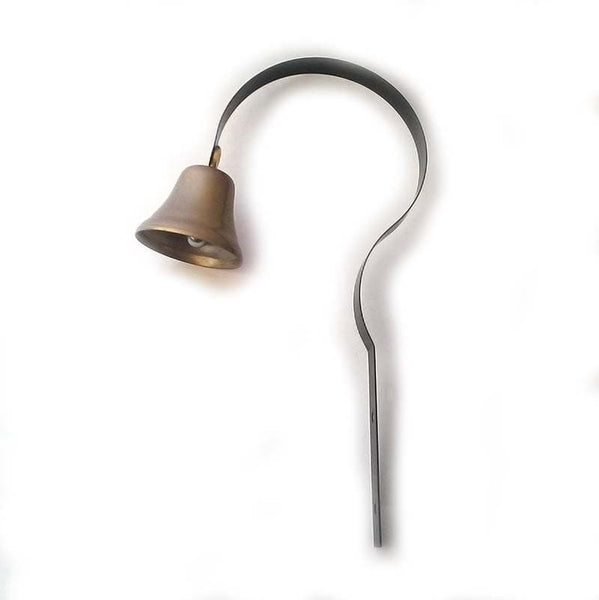
"How can I teach her to tell me when she needs to go out?" Click to learn about teaching your dog to ring a bell to go out.
"Why are toy dogs so difficult to potty train?"
In my experience, small dogs often take longer to potty train. I'm not sure why this is, but my solution to the problem is to take them out more frequently than you would a large dog. Maximum time without a potty break as an adult should only equal about 4 hours. Many small dogs do very well with an indoor dog potty. I like this method because this way we can be sure that she can go whenever nature calls, even when it's a blizzard outside and she doesn't want to get her toes cold.
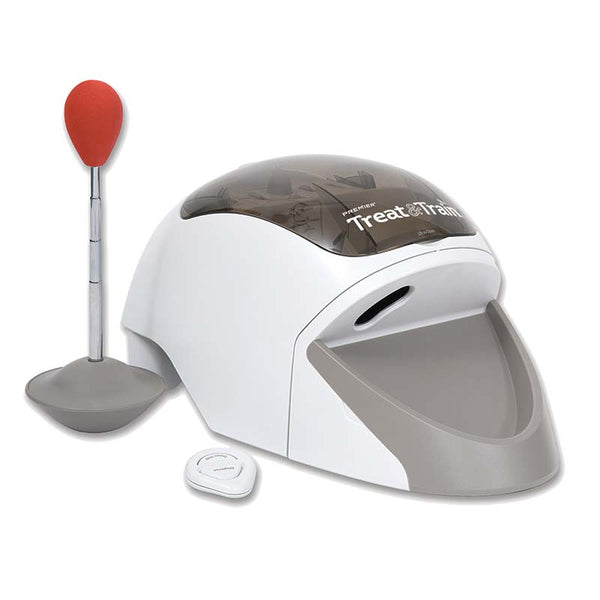
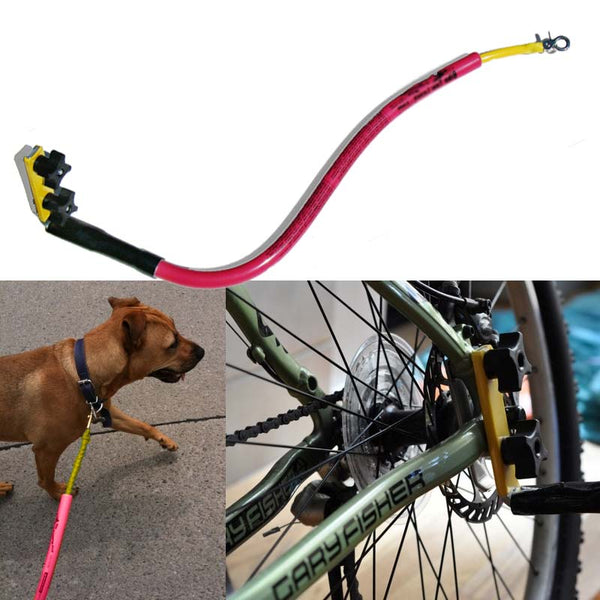
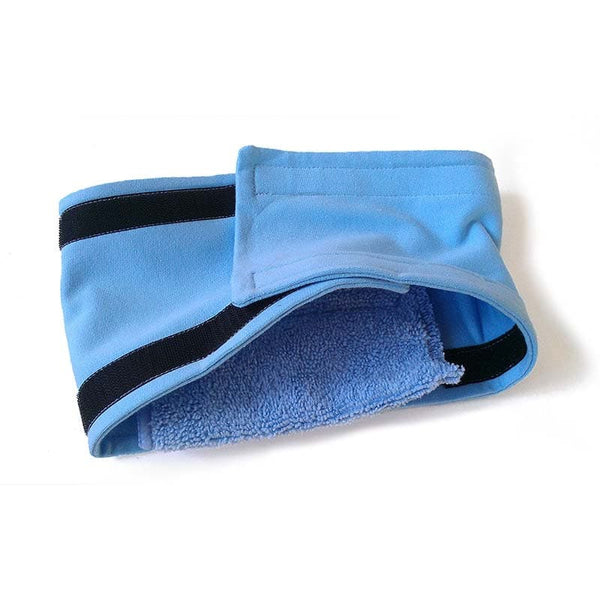
Check out our housetraining aids!
Housetraining Using a Dog Diaper
Happy Training!
-Jess





 Contact Us