

 support@petexpertise.com
Top Products
4 Simple Steps Anyone Can Use to Stop Their Dog from Pulling on a Leash
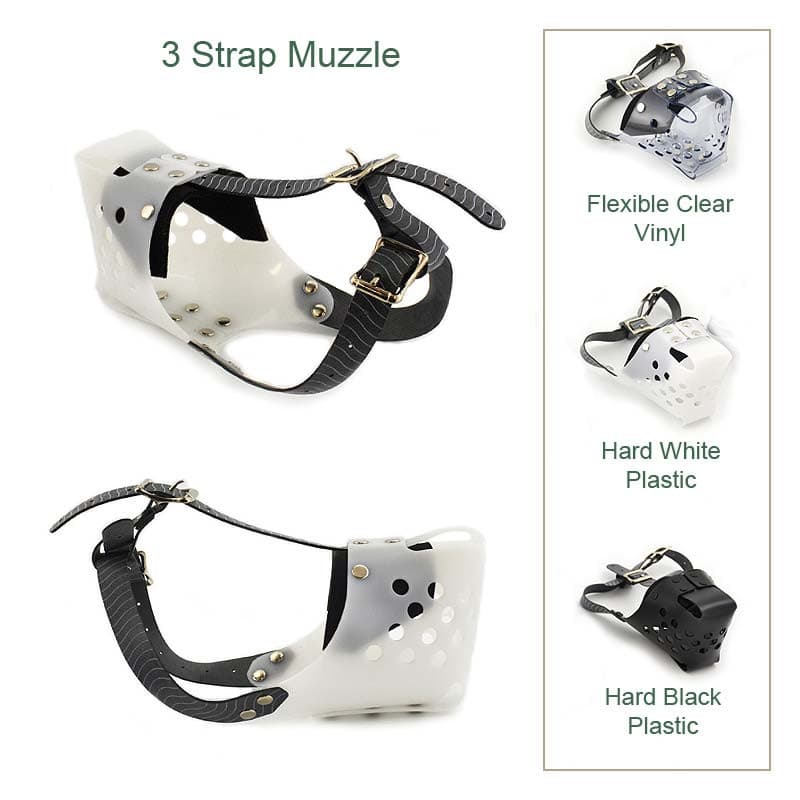
JAFCO Comfortable Dog Muzzles, Hard Plastic & Soft Flexible Versions
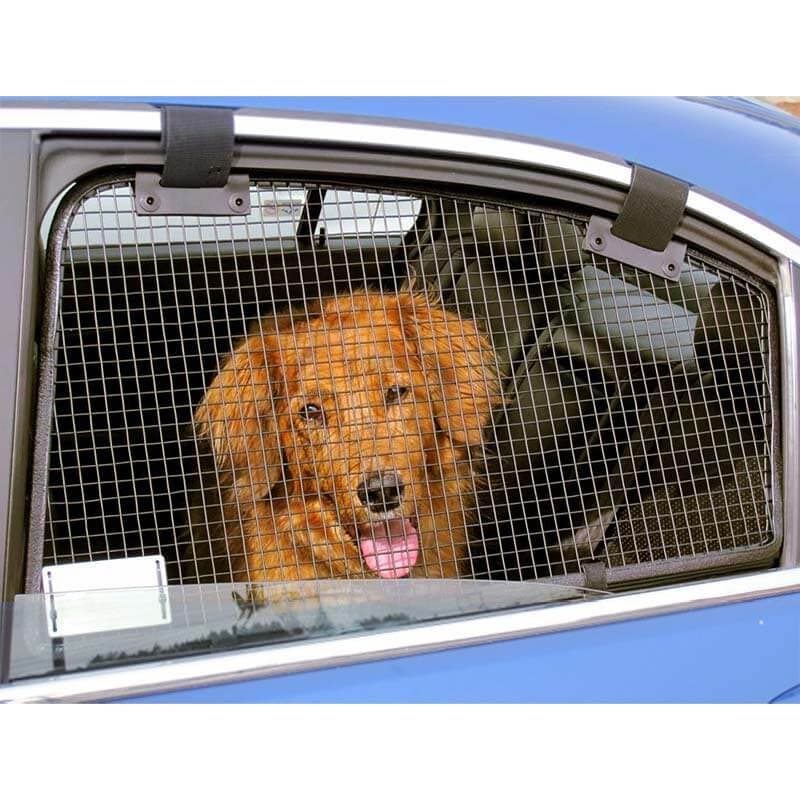
BreezeGuard Metal Car Window Guard Screens
Want 10% OFF Your First Order?
Let us email you a COUPON CODE right away. Valid for any purchase, today!
Crate Training Your Dog
By Jess Rollins
Copyright Info
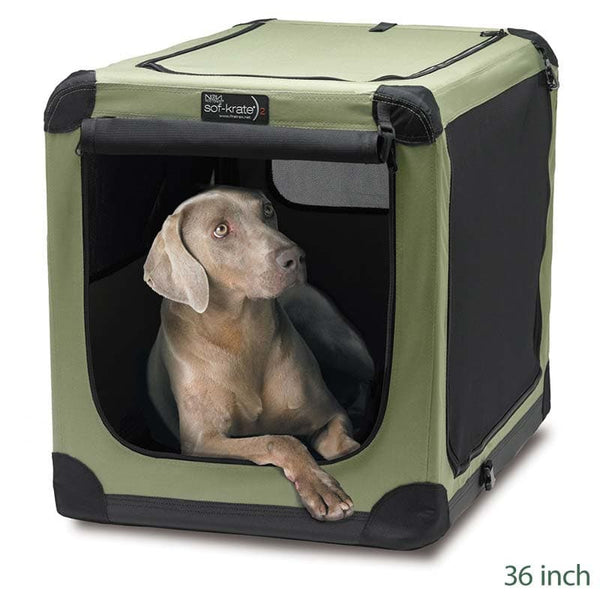
Teaching your dog to go willingly to his crate and rest there is an important part of raising your dog. Initially you will appreciate that the crate gives your dog a safe place to relax (and give you a break). In the future it will be a great benefit that your dog has been crate trained if he needs surgery or will travel. The ease or difficulty of crate training depends on the dog's feelings about the crate. Most likely your dog will like the crate if you do not push him too quickly. However, if you try to push too quickly you may end up making the situation more difficult for you both by convincing your dog that the crate is an unpleasant place.
Place the crate nearby where you will be relaxing and let your dog see you place a few treats in the crate which span from the front to the back. Leave the crate door open while you watch TV or read. Eventually (or in a few seconds) your dog will get the treats and explore the crate. When you see him go in there, get up and put a few more treats in the crate. Repeat this a few times until he is unhesitatingly going in for the treats and not rushing to "escape" it.
Next, say "kennel" and take your dog gently by the collar and toss a treat in the crate. Most likely he will follow the treat into the crate with no problem. Block him from leaving the crate gently with your body and feed him treats in a steady stream. Once he relaxes and lays down, continue to do this, but space out the treats a few seconds apart. Now, continue to feed treats about every 10 seconds and when he seems especially calm. Let him out of the crate when he is nice and calm and take a break.
Repeat the previous step, but this time instead of blocking with your body, close the door to the crate. As above, feed constantly at first and then space them out until you are feeding an average of every 10 seconds for the most relaxed behavior. Release him (when he is calm) and take a break.
Prepare a chew toy by filling a Kong or something similar with some peanut butter, cream cheese or frozen dog food, rawhide or bully stick. Say "kennel" just before grasping your dog's collar and walking him into the crate. Once he is in the crate, give him the chewy and close the door. Once he is engrossed in chewing, get up and walk around occasionally going out of sight. Release him from the crate before he finishes chewing (or before he wakes up from dosing off) and only if he is calm.
You should leave your dog in the crate for no more than 4 hours at a time (unless overnight). Each time you leave your dog in his crate repeat the procedure in the previous step. Eventually your dog should begin going in his crate by himself when you say "kennel". If your dog should fuss in the crate you must always ignore it (unless he seems truly hurt) and release him only when he is calm, otherwise he will learn to fuss in order to be released and this is quite difficult to get rid of.
Tips: Leave soothing music on for your dog while he is in the crate. Feed him meals in the crate to help him further associate it with good things. Make sure the crate is comfortable.


 Contact Us